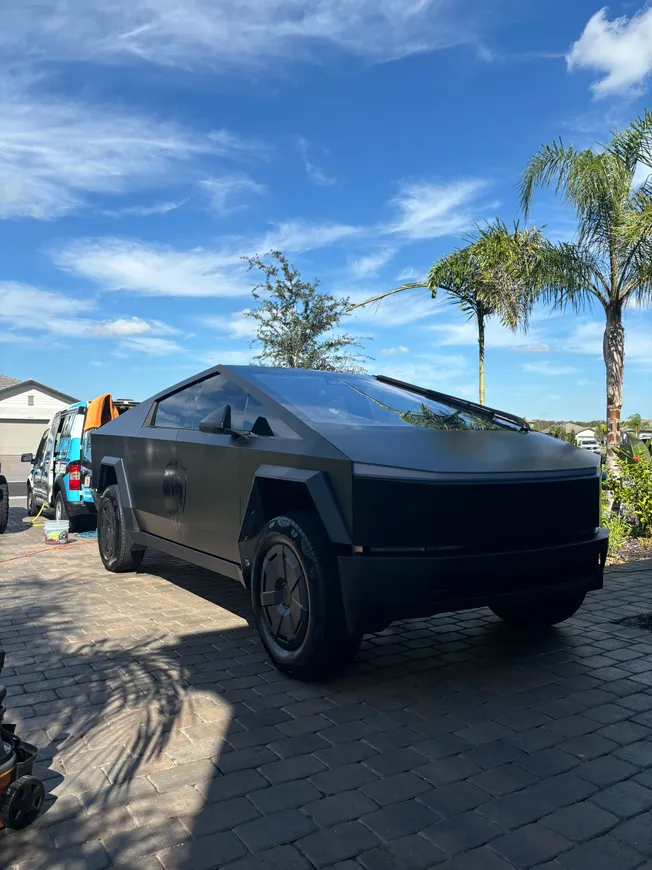
Florida is beautiful, but the same sunshine that makes the state enjoyable can be hard on a vehicle. In Fort Myers and throughout Southwest Florida, cars spend time under intense UV exposure, high heat, humidity, sudden rain, and airborne salt near the coast. Over time, that combination can change the way the paint, trim, glass, tires, and interior look and feel.
Sun damage is gradual, which makes it easy to overlook. A vehicle may look fine for years before the first signs of fading, oxidation, cracked trim, or a dry interior become obvious. Regular care helps slow that process and protects the investment you already made in your vehicle.
UV rays break down the finish
Automotive paint is protected by a clear coat, but clear coat is not an unlimited shield. Ultraviolet radiation gradually breaks down the materials in the finish. As the surface weathers, it can lose gloss, fade unevenly, or develop oxidation and a hazy appearance.
Dark colors often show loss of depth quickly, while white and silver vehicles may hide early fading until the damage becomes more advanced. Horizontal surfaces such as the roof, hood, trunk, and tops of the fenders usually receive the most direct exposure.
Washing alone cannot reverse UV damage. If the paint is dull but still healthy, a professional polish may restore clarity. If oxidation has progressed further, the finish may need more careful paint correction or a realistic assessment of what can be safely improved.
Heat makes everything work harder
High temperatures accelerate chemical reactions and cause materials to expand and contract. Repeated heat cycles can contribute to fading, drying, and premature wear on rubber seals, plastic trim, wiper components, and tires.
Heat also makes contaminants more difficult to remove. Bird droppings, bug residue, tree sap, and water spots can bond quickly when they bake onto a hot panel. Removing those contaminants promptly is one of the simplest ways to reduce avoidable surface damage.
Always wash on a cool surface and in the shade when possible. Letting water and soap dry in direct sunlight can leave mineral deposits that require additional work to remove.
Humidity and rain leave their own marks
Florida humidity keeps moisture present on the vehicle for longer periods. Rain may rinse away loose dust, but it does not replace a proper wash. Rainwater can carry airborne dirt, pollen, minerals, and pollutants that dry onto the finish.
If a vehicle is left wet in the sun, those minerals can create water spots. Over time, repeated spotting can make the paint look cloudy and may require polishing. Coastal air can also leave salt deposits that should be rinsed away rather than allowed to sit on the surface.
The interior needs protection too
The exterior is not the only part affected by Florida weather. UV rays passing through the glass can fade dashboards, dry leather, weaken vinyl, and make interior plastics brittle. A hot cabin also causes materials to release moisture and oils, which can accelerate cracking and discoloration.
Use a sunshade when the vehicle is parked outside for extended periods. Keep leather and vinyl clean, then apply a product designed for the specific material. Avoid greasy dressings that create glare or leave a residue that attracts dust.
A consistent maintenance plan matters
The best protection is not one dramatic cleaning session. It is a repeatable routine. Wash the vehicle regularly, remove bird droppings and bug residue as soon as practical, dry with clean microfiber towels, and inspect the paint for roughness or fading.
After a thorough auto detailing service, a maintenance schedule helps preserve the results. The right frequency depends on where the vehicle is parked, how often it is driven, and whether it is exposed to coastal air or trees.
For vehicles that spend a lot of time outdoors, a ceramic coating can add a durable layer of protection. It will not stop every form of damage or replace washing, but it can improve water behavior, make cleaning easier, and help the finish stay glossy between services.
What you can do this week
Park in a garage or shaded area whenever possible. Use a windshield sunshade, clean spills and contaminants quickly, and avoid automatic washes with abrasive brushes. Check the roof and hood periodically because those panels often show the earliest signs of exposure.
If your vehicle already looks faded, rough, or heavily spotted, do not assume it needs a new paint job. Driven Detailing can inspect the finish and explain whether cleaning, polishing, or protection is the right next step. We provide mobile service across Fort Myers and Southwest Florida, bringing the equipment and process to your home or workplace.